
Sanitary & Storm Sewers
Last updated on
Emergency Contact Information
Call our 24-hour dispatch at 604-463-9581.
- Sanitary sewer back up
- Flooding
- Other sanitary or storm sewer emergencies
Image
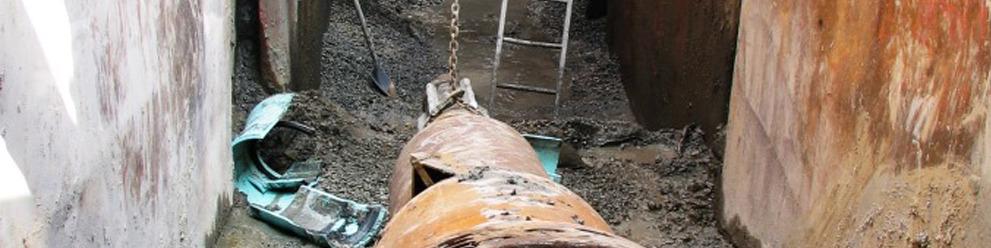
A key challenge facing the City and other jurisdictions is the entrance of clean rainwater and groundwater into the sanitary sewer system, known as inflow and infiltration.
Sanitary Sewer
The City maintains the sanitary sewer infrastructure to ensure an effective and reliable collection system. Waste collected by the municipal network is transferred to the Metro Vancouver system for treatment.
City crews handle routine maintenance and repairs, including:
- Flushing sanitary and storm sewers
- Clearing blockages in the municipal network (sewers and service lines up to the property line)
- Maintaining sanitary sewer utility holes, sanitary sewers and inspection chambers
Sanitary Inspection Chamber
Each property has a service line with a sanitary inspection chamber—newer homes will also have a storm inspection chamber. These are normally located at or near the front property line. Property owners are required to keep these chambers accessible and free from obstruction (landscaping).
If your inspection chamber lid is cracked or missing, please contact 604-463-9581.
Storm Sewer
The City maintains storm sewer infrastructure to ensure an effective and environmentally friendly system. Stormwater infrastructure includes drainage ditches, culverts, and storm sewers.
City crews handle routine maintenance and repairs, including:
- Cleaning catch basins
- Responding to flooding reports
- Flushing storm sewer lines
- Cleaning ditches, storm sewers and culverts
Adopt a Catch Basin
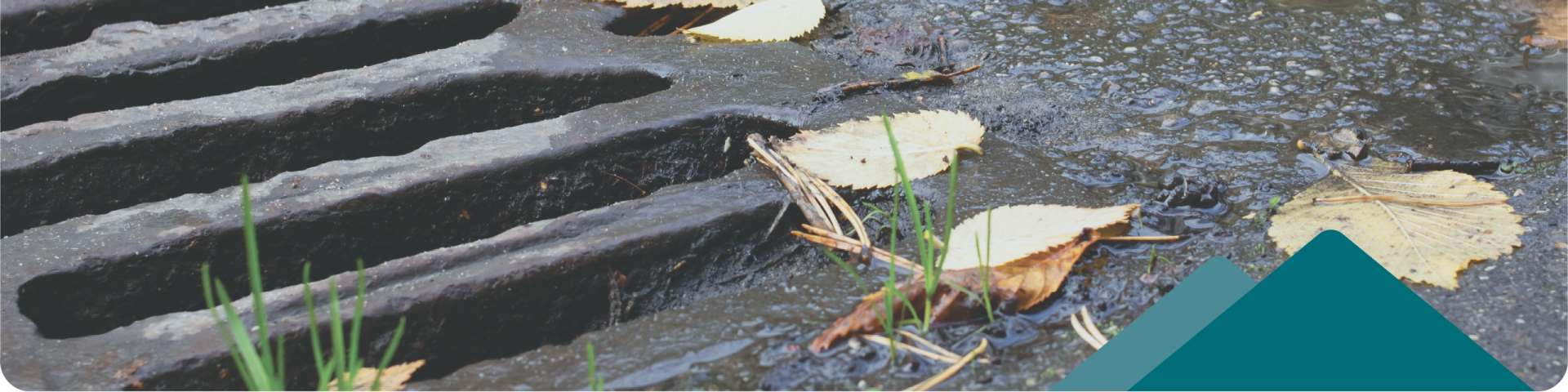
It's easy! When it's safe to do so, clear the catch basin of leaves and debris and make a path for the rain or melting snow. You will help the street get back to normal more quickly after weather events.
One of the most challenging times is the period right after a major rain—and/or snowfall. In the winter, it’s no fun stepping on a packed pile of snow only to find yourself ankle deep in ice cold water that has collected due to a clogged catch basin. In the fall, catch basins may get obstructed with leaves and other debris that create puddles at the side of the road.
The catch basin map shows the locations of catch basins in relation to property lines.